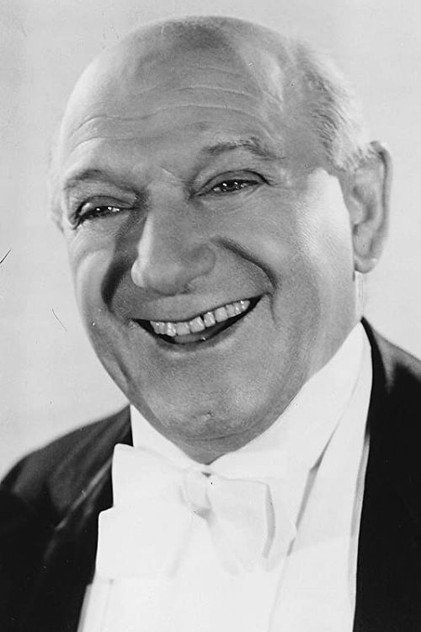
Joseph Cawthorn
Born: 1868-03-27
Place of birth: New York City, New York, USA
From Wikipedia, the free encyclopedia Joseph Cawthorn (March 29, 1868, New York City, New York – January 21, 1949, Beverly Hills, California) was an American stage and film comic actor. Cawthorn started out in show business as a child, debuting at Robinson's Music Hall in his hometown of New York in 1872. He appeared in minstrel shows and vaudeville as a "Dutch" comic, employing a thick German dialect. He later worked in British music halls and American touring companies. Cawthorn made his Broadway debut in 1895, 1897 or 1898, and embarked on a long career lasting over two decades. His first success was playing Boris in Victor Herbert's 1898 operetta The Fortune Teller. Other notable Broadway roles included the title character in Mother Goose (1903) and inventor Dr. Pill in the fantasy musical Little Nemo (1908). In the latter, he was called upon to ad lib to buy time during one performance. As "the scene called for him to describe imaginary animals he had hunted", he invented the "whiffenpoof" on the spot. Yale students in the audience appropriated it for the name of their glee club. When his Broadway stardom waned, Cawthorn moved to Hollywood in 1927 and started a second prolific career, appearing in over 50 films, the last in 1942. He played Gremio in the first sound adaptation of The Taming of the Shrew in 1929, starring Mary Pickford and Douglas Fairbanks; Schultz in Gold Diggers of 1935; and Florenz Ziegfeld's father in The Great Ziegfeld (1936). Cawthorn died peacefully on January 21, 1949. He was survived by his wife, actress Queenie Vassar.
Filmography
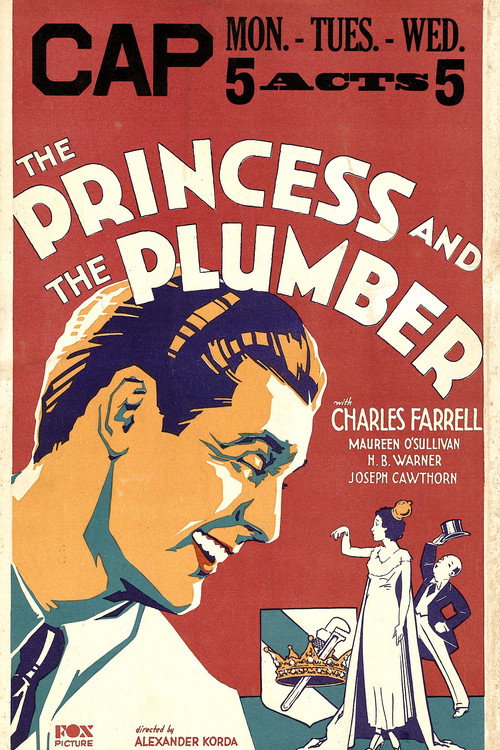
The Princess and the Plumber
1930
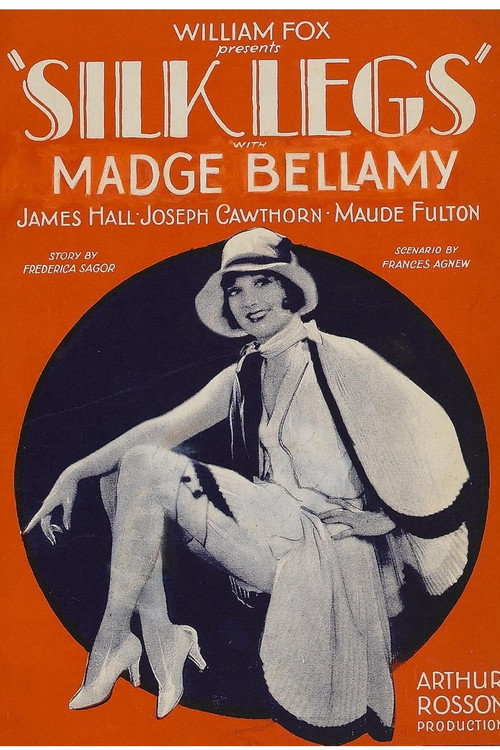
Silk Legs
1927
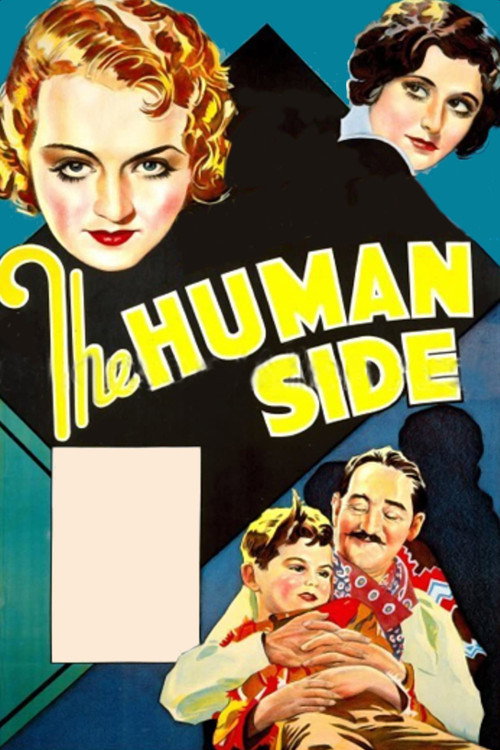
The Human Side
1934
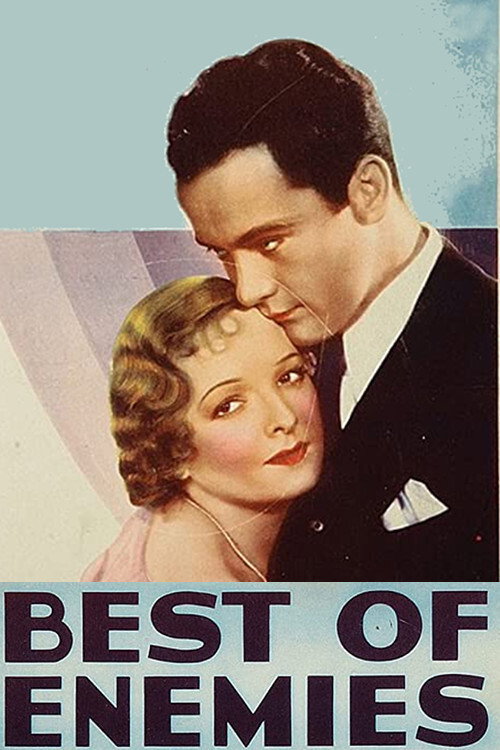
Best of Enemies
1933
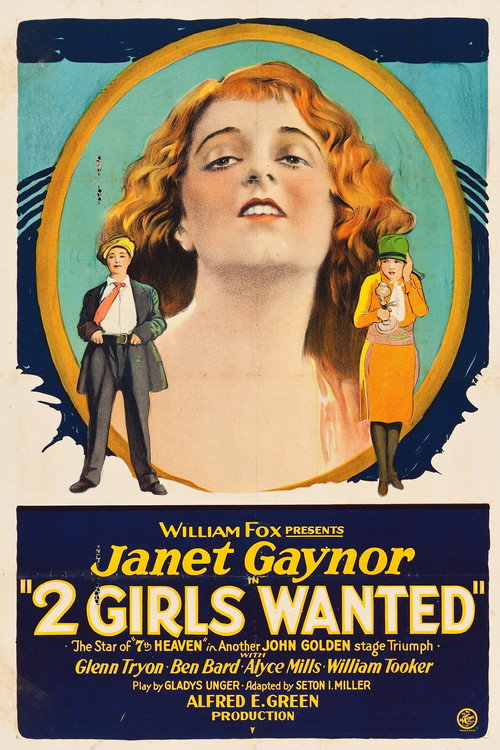
Two Girls Wanted
1927
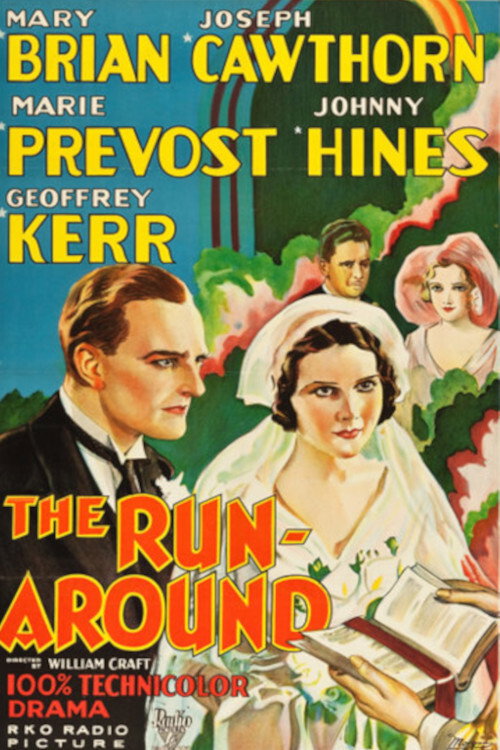
The Runaround
1931
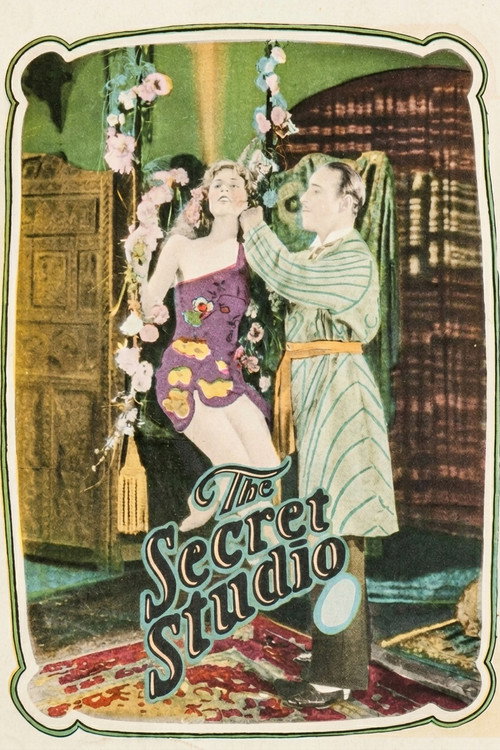
The Secret Studio
1927
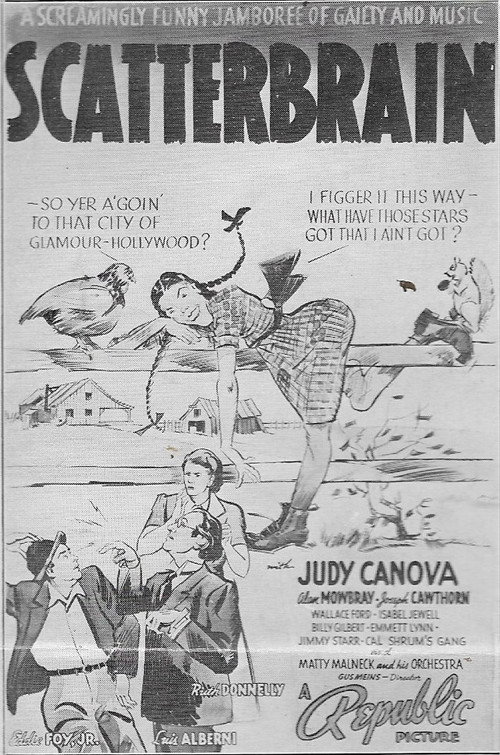
Scatterbrain
1940
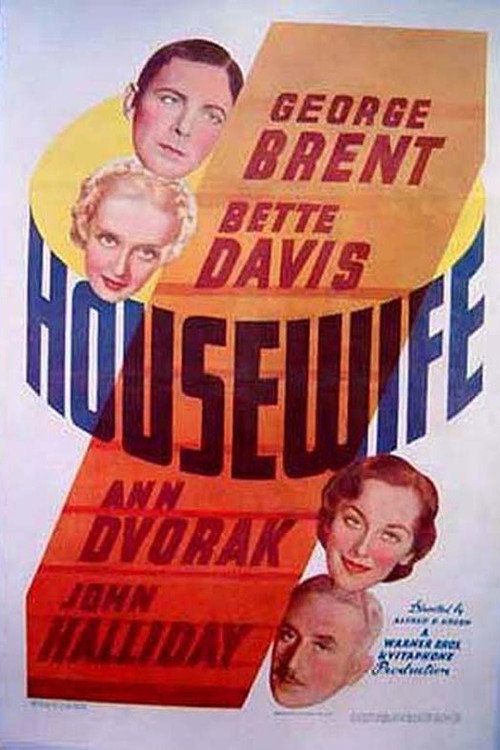
Housewife
1934
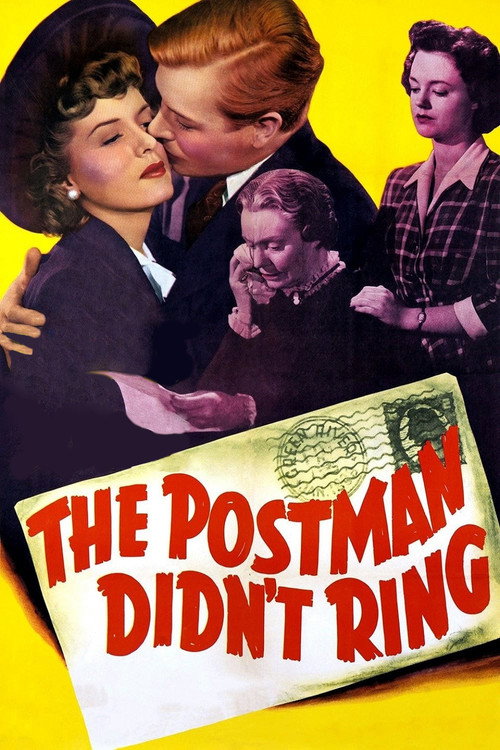
The Postman Didn't Ring
1942
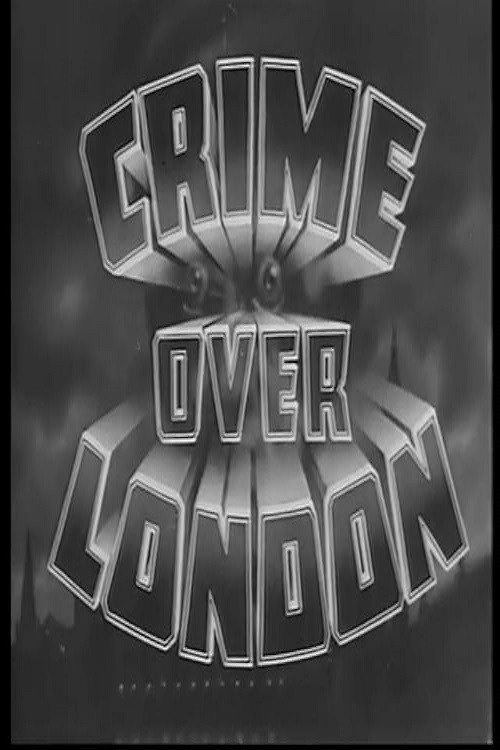
Crime Over London
1936
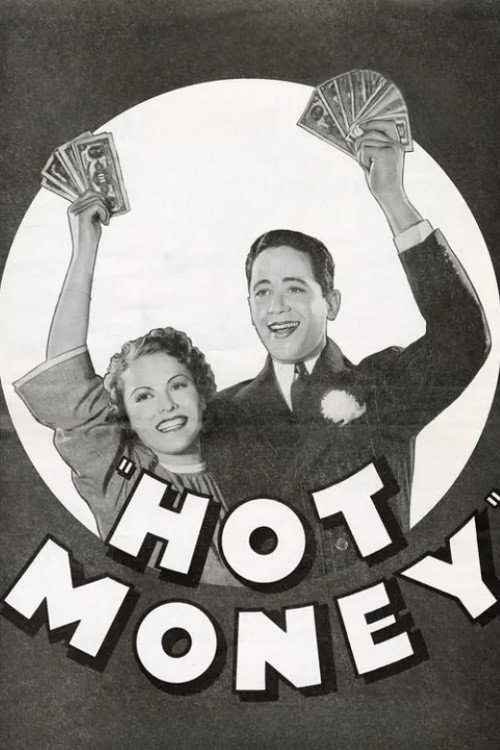
Hot Money
1936
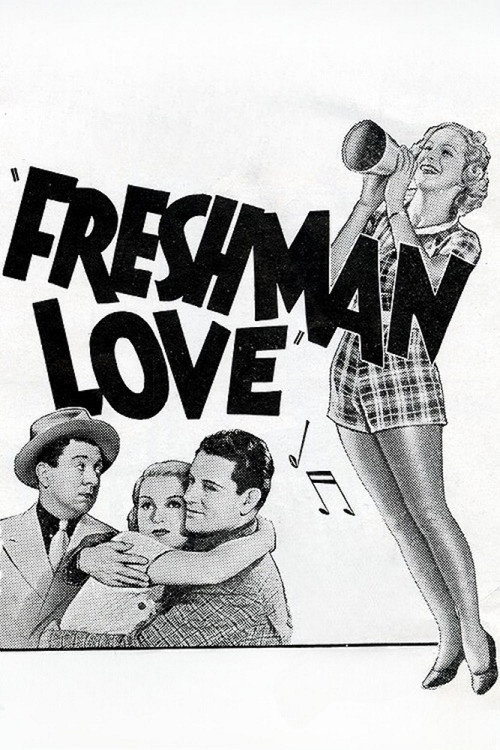
Freshman Love
1936

Smart Girl
1935
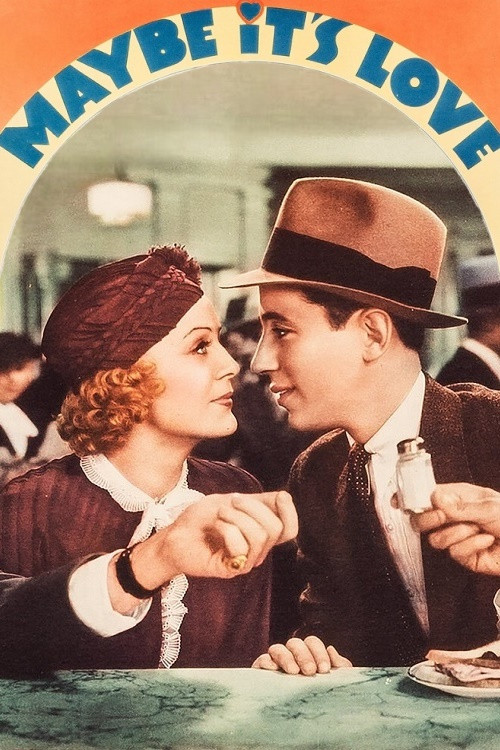
Maybe It's Love
1935
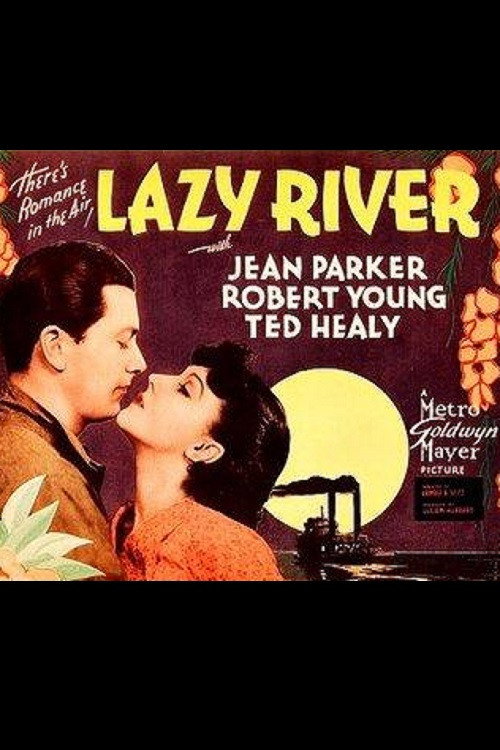
Lazy River
1934
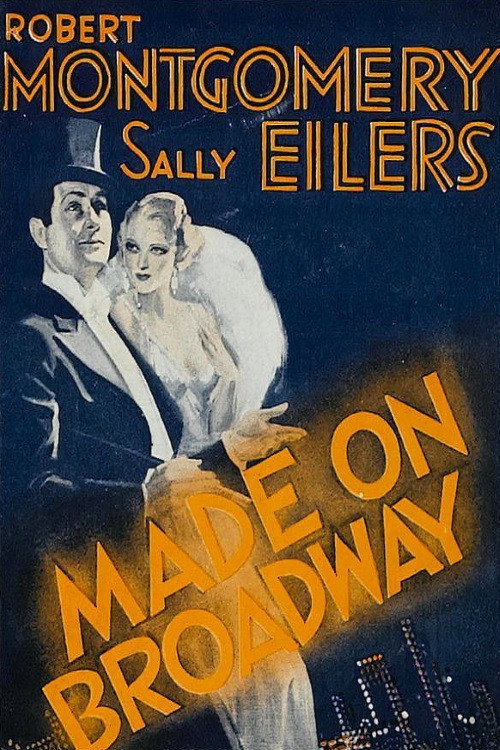
Made on Broadway
1933
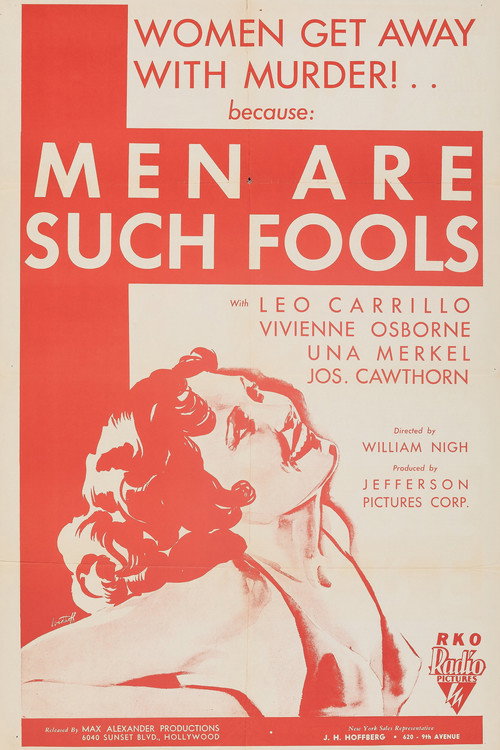
Men Are Such Fools
1932